Every now and then there would be a requirement for a photojournalistic style wedding photographer. It is a testimony that some people love to see a unique perspective to a clichéd routine. That just augers well for photographers who shoot in this style.
Read more...
If you are a digital photographer, which is most likely (well you are here reading this isn’t?), one particular aspect of your work is inherently touchy; and that is data management. As you may be aware by now, shooting hundreds and thousands of photos each month takes a toll on your computer hard drive. At the end of the day, hard drive capacity is finite and that means sooner rather than later you would run out of space to store your photos. Read more...
Digital interchangeable lens cameras are the preferred choice for shooting professional quality images. Five years ago and I would have used the term Digital Single Lens Reflex camera. But things have changed in the last few years or so. Mirrorless cameras have come on to the market in a big way and that has changed the perspective of camera buyers.
Read more...
The optical piece of equipment that sits in front of your camera is the single most important piece of gear that you own. It’s actually more important than the one that it attaches to – the camera. Ask 10 professional photographers what to do with the extra bit of cash that you have, after buying a camera and a kit lens and 9 out of them would suggest you to get a better piece of glass. The tenth one will suggest you sell off the kit lens to get a better lens! Read more...
When it comes to wildlife photography, choosing the right auto-focusing mode can often make the difference between getting a perfect action photo and missing an incredible moment. Your digital SLR camera has a number of shooting options. Which, when activated, can be give you the leverage you need in order to nail a shot on the first attempt. I am referring to auto-focusing modes and the various custom AF settings on your camera. Read more...
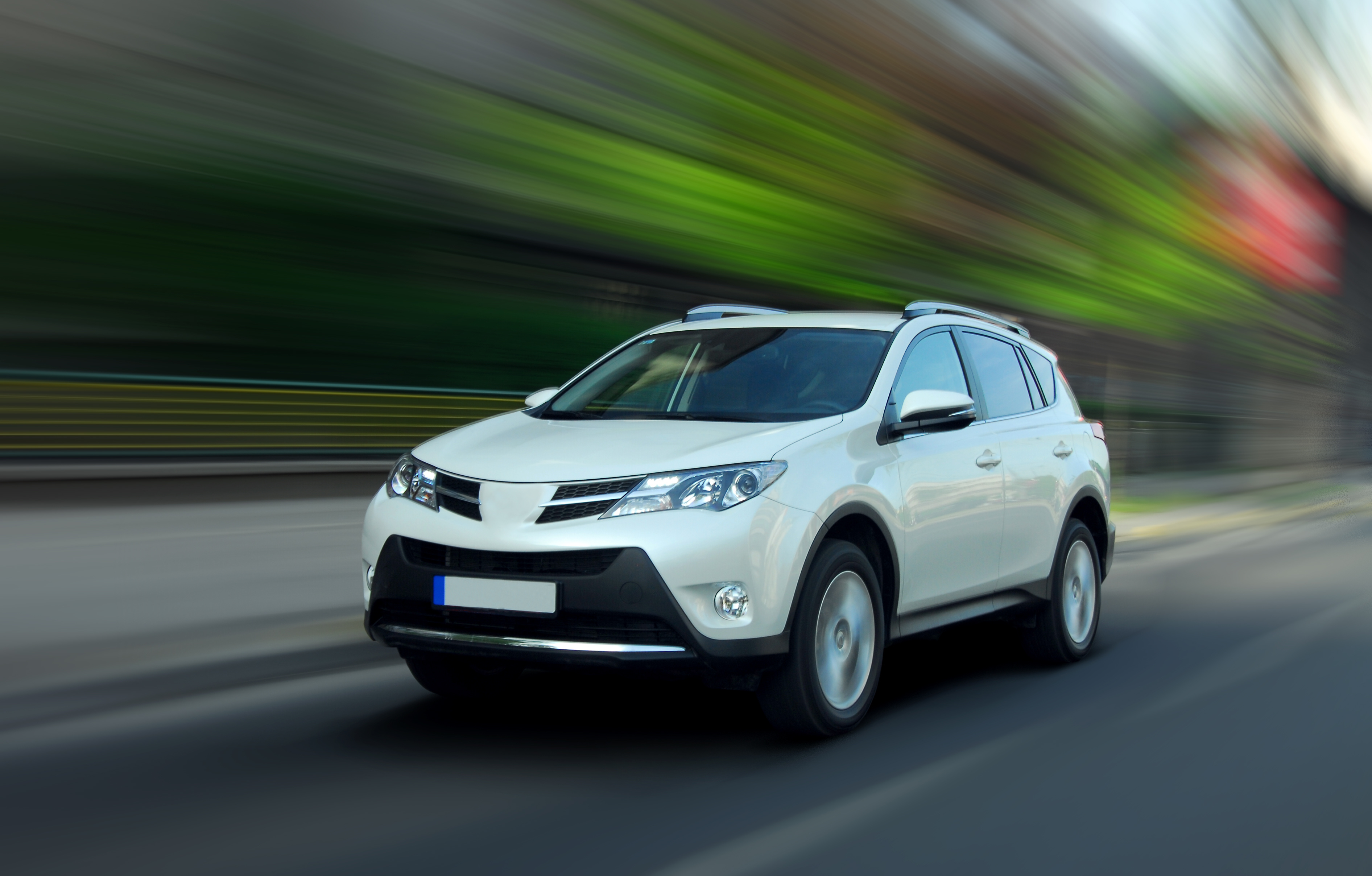
Panning is the technique of going with the flow of a moving subject to make images. The movement of the camera should be at the same vector as the subject and at the same speed, while the exposures are clicked. Ideally, panning movements are used to shoot not one but a series of images and is a technique that is used in sports, wildlife and at times in everyday photography as well. Read more...
Call it our ignorance or plain laziness, we hardly make the research to find out more about a camera before actually buying it. We hardly ask someone knowledgeable before making a decision either. The result is that we end up with a camera that we hate after a while, either because it has too many features than we ever need or has too few.
To make it worse, we sometimes are guilty of asking all sorts of wrong questions to the salesman at the store. Hopefully, after having read the following paragraphs, you will not ask these meaningless questions when buying your camera. Read more...
If you look at the main aspects that govern exposure, you would obviously realize that there are three. Three pillars unto which all exposure constructions are resting. The number three is auspicious, in religion as in photography. It is also pertinent to mention here that the number three is a recurring phenomenon in photography. Today, however, we are concerned with one of these pillars that are fundamental to all photography – ISO. Read more...
As a budding entrepreneur looking to start your own photography business, you should give proper focus unto your branding activities. Business branding is a necessary exercise and something that you will have to pay full attention to because from here on your business logo and name will be everywhere. Read more...
You may have heard, nature and natural light photographers often say this – you must head out at least an hour before the sun peeks behind the trees. These photographers who have made a career out of shooting in natural light understand the tremendous significance of the early morning light. The early morning light (and for that matter the late afternoon light as well) is slanted, it comes at an angle that is almost parallel to the surface of the earth. What it does is it highlights textures, brings to life details like no other light can. Read more...
 Every now and then there would be a requirement for a photojournalistic style wedding photographer. It is a testimony that some people love to see a unique perspective to a clichéd routine. That just augers well for photographers who shoot in this style.
Read more...
Every now and then there would be a requirement for a photojournalistic style wedding photographer. It is a testimony that some people love to see a unique perspective to a clichéd routine. That just augers well for photographers who shoot in this style.
Read more...